
Call us now :07971670846
 Send Inquiry
Cordless Rotary Hammer


Cordless Rotary Hammer Specification
- Product Type
- Drill
- Material
- Mild Steel
- Application
- Industrial
- Frequency (MHz)
- 50/60 Hertz (HZ)
- Power Source
- Electric
- Warranty
- Yes
- Color
- Blue
Cordless Rotary Hammer Trade Information
- Minimum Order Quantity
- 1 Piece
- FOB Port
- Delhi
- Payment Terms
- Cash in Advance (CID)
- Supply Ability
- 30 Pieces Per Month
- Delivery Time
- 7-8 Days
- Main Export Market(s)
- Asia
- Main Domestic Market
- North India
About Cordless Rotary Hammer
Introducing our Cordless Rotary Hammer, a versatile tool perfect for industrial applications. Made of high-quality mild steel, this hammer is durable and can withstand heavy use. Its electric power source ensures consistent and reliable performance, making it the ideal tool for drilling into concrete, stone, and masonry. This Cordless Rotary Hammer comes in a stylish blue color, adding a touch of sophistication to your workplace. It comes with a warranty, ensuring that you get the best value for your investment. With its lightweight design, you can easily maneuver and control the hammer, making it suitable for both professionals and DIY enthusiasts.
1. Motor
Rotary hammers are equipped with a powerful motor that drives both the rotation of the drill bit and the hammering action. The motor is usually larger and more robust compared to that of standard drills.
2. Hammer Mechanism
The hammer mechanism produces a rapid back and forth hammering motion, enabling the rotary hammer to break through hard materials effectively.
3. Chuck
The chuck is the part of the rotary hammer that holds the drill bit. Rotary hammers typically have SDS Special Direct System chucks which allow for easy and secure tool changes without the need for a key.
4. Adjustable Handle
Many rotary hammers feature an adjustable handle or side handle that provides additional control and stability during operation.
5. Depth Gauge
A depth gauge allows users to set the drilling depth ensuring accurate and consistent hole depths.
6. Selector Switch
The selector switch allows users to choose between different modes such as drilling only hammering only or a combination of both rotary hammer mode.
7. Vibration Damping
Some rotary hammers incorporate features to reduce vibrations enhancing user comfort during prolonged use.
Key Features
1. Hammering Action
The primary feature of a rotary hammer is its hammering action which delivers rapid blows to the drill bit as it rotates. This mechanism is highly effective for breaking through hard materials.
2. Variable Speed
Many rotary hammers offer variable speed settings allowing users to adjust the drilling speed based on the material being worked on.
3. High Impact Energy
Rotary hammers are capable of delivering high impact energy making them suitable for heavy duty drilling and chiseling tasks.
4. Versatility
In addition to drilling rotary hammers can often be used for chiseling and light demolition work making them versatile tools for construction and renovation projects.
5. Quick Bit Changes
The SDS chuck system facilitates quick and tool free changes of drill bits and accessories.
Common Applications
1. Concrete Drilling
Primary use is for drilling into concrete and masonry surfaces.
2. Masonry Work
Suitable for various masonry tasks including brick and stone drilling.
3. Chiseling
Used for chiseling applications such as tile removal or creating channels in hard surfaces.
4. Demolition Work
Capable of light demolition work breaking through concrete and removing tiles.
5. Installation of Anchors
Used for drilling holes for anchors and fasteners in hard materials.
6. Construction and Renovation
Essential for construction and renovation projects where heavy duty drilling and chiseling are required.
Safety Considerations
1. Protective Gear
Wear appropriate personal protective equipment including safety glasses hearing protection and gloves.
2. Secure Workpiece
Ensure that the workpiece is securely positioned to prevent movement during drilling.
3. Proper Tool Selection
Use the right drill bit or chisel for the specific material and task.
4. Follow Manufacturer Guidelines
Adhere to the manufacturer's guidelines and recommendations for proper tool usage and maintenance.
Tell us about your requirement

Price:
Quantity
Select Unit
- 50
- 100
- 200
- 250
- 500
- 1000+
Additional detail
Mobile number
Email

More Products in Cordless Power Tool Category
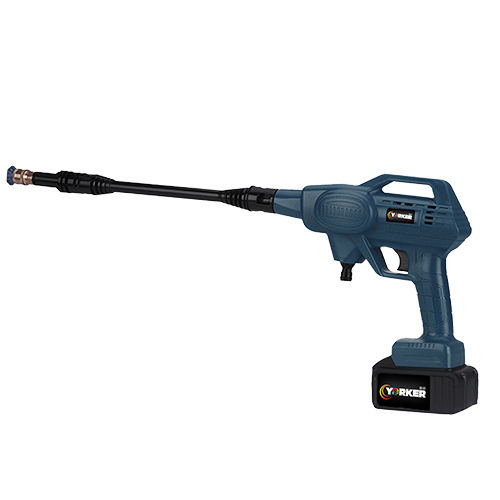
Cordless Car Washer
Price 4752 INR / Piece
Minimum Order Quantity : 5 Pieces
Rated Voltage : 220240 Volt (V)
Warranty : Yes
Power Source : Electric
Application : Industrial

Cordless Pruning Shears
Minimum Order Quantity : 1 Piece
Rated Voltage : 220440 Volt (V)
Warranty : Yes
Power Source : Electric
Application : Industrial
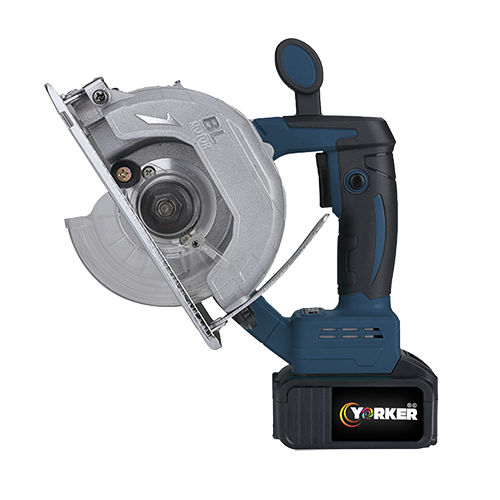
Cordless Circular Saw
Minimum Order Quantity : 1 Piece
Rated Voltage : 220440 Volt (V)
Warranty : Yes
Power Source : Electric
Application : Industrial
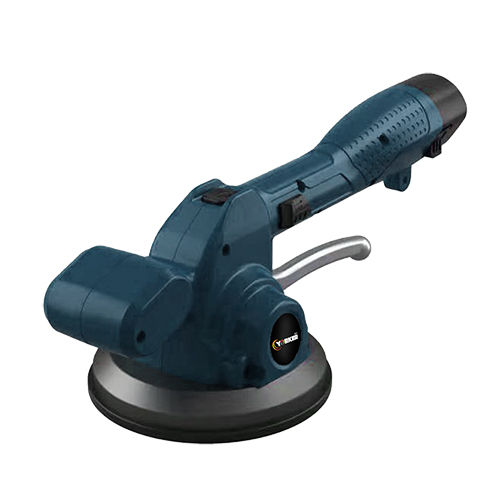
Cordless Tile Vibrator
Minimum Order Quantity : 1 Piece
Rated Voltage : 220440 Volt (V)
Warranty : Yes
Power Source : Electric
Application : Industrial

We deal only in bulk orders.
 Send Inquiry
Our Products
- Steel Measuring Tape
- Fiberglass Measuring Tape
- Laser Distance Meter
- Magnetic And Non Magnetic Spirit Level
- Power Tool
- Cordless Power Tool
- Pro Power Tool
- Industrial Abrasives
- Drill Bits
- TCT Saw Blade
- Diamond Saw Blade
- Super Thin Turbo Blade
- Zero Chipping Blade
- Concrete Blade
- Cup Wheel
- Screw Driver
- Woodworking Tool And Accessories
- Grease Gun
- Hack Saw Blade
- Hand Tool
- Screw Driver Bit
- Silicone Gun


5093, Gali Phatak Bans Wali, Bazar Sirkiwalan, Delhi - 110006, India

Mr. Manoj
(Proprietor)
Mobile :07971670846
 Send Inquiry
 Send SMS
Developed and Managed by Infocom Network Private Limited.


